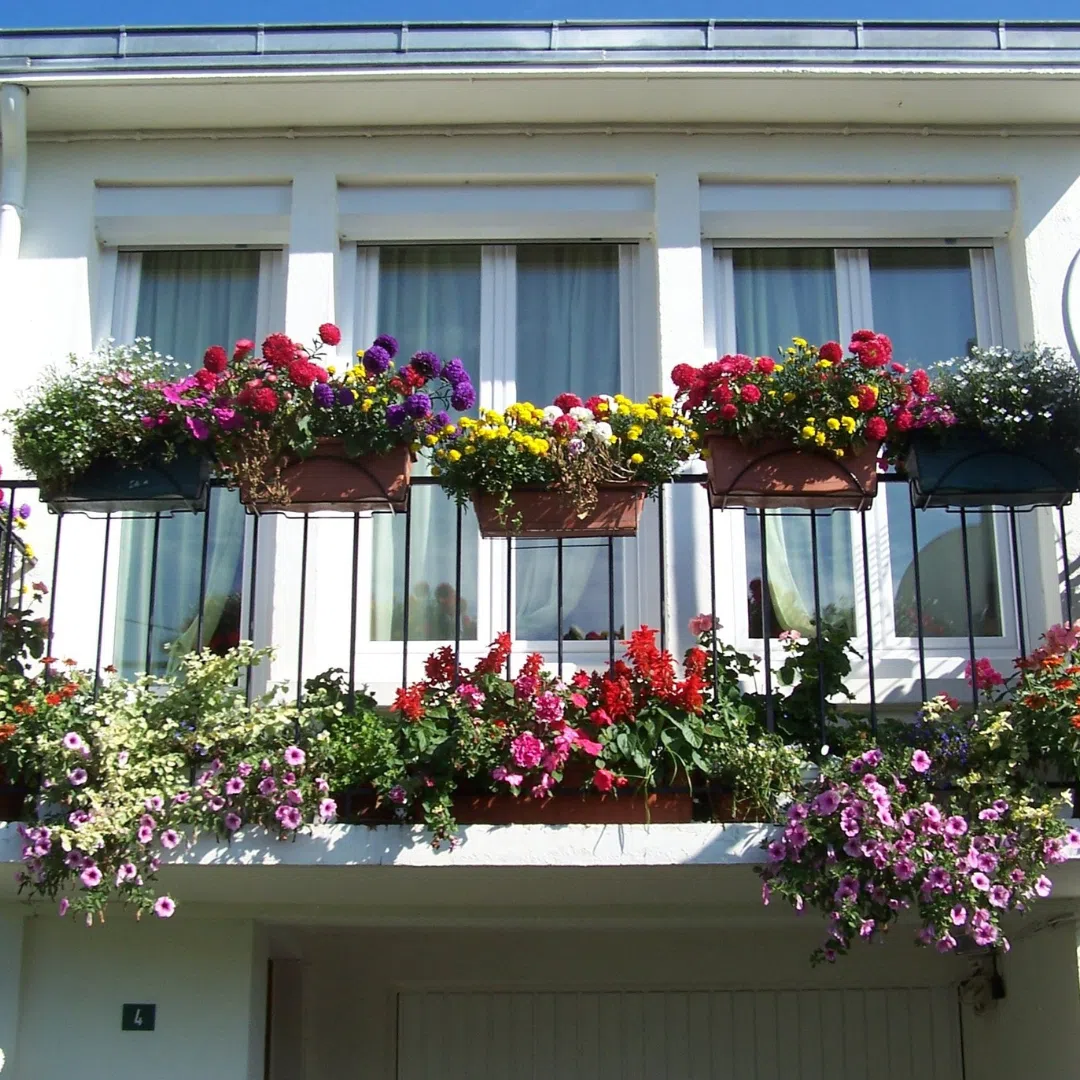
Even the smallest spaces can feed pollinators and shelter wildlife.
It can be very easy to be an environmentalist just by using your yard. By providing places of shelter, food to eat, and access to water, you will be well on your way.
- Shelter means having mature trees, leaf litter, and shrubs. It can also include birdhouses, bat houses, and the many other animal houses that exist.
- Food includes nuts, berries, nectar, seeds, insects, and plants, and can include seed and/or nectar feeders.
- Water is easy if you have wetlands, a stream, or a pond on your property, but can also include bird baths and fountains.
Some sites that can help guide you in the process of changing over your yard are Pollinator Pathway, National Wildlife Federation, and Homegrown National Park. Pollinator Pathway and National Wildlife Federation offer signs you can post in your yard to show the work you are doing, while Pollinator Pathway and Homegrown National Park allow you to add your home to their nationwide networks.
The very best way to make your yard a homegrown national park is to remove invasive plants and install native plants. All three sites give information on that. Having a variety of plantings – trees, shrubs, flowers, grasses- offer many sources of both food and shelter for a variety of animals. Shrinking the size of your lawn by turning it over to other sorts of plants will help wildlife and save you time and money from mowing. Eliminating chemical usage on lawns and gardens will help wildlife, as will minimizing the use of gas-powered lawn care tools.
If you do not have a yard but do have a balcony or a patio, small spaces on the National Wildlife Federation site gives tips specifically for creating a wildlife habitats in small areas.
And if you do turn your outdoor space into a home-grown national park, take the time to appreciate the plants as they change over the seasons and watch the animals that come to visit once you have made a sanctuary from them.
Keep on growing!